What Is The Best Way To Move And Insure A High-End Hi-Fi System?
Loudspeakers and heavy electronics are among the most damage-prone items in any household move. Packing, transport, and insurance need planning that most movers will not do for you.
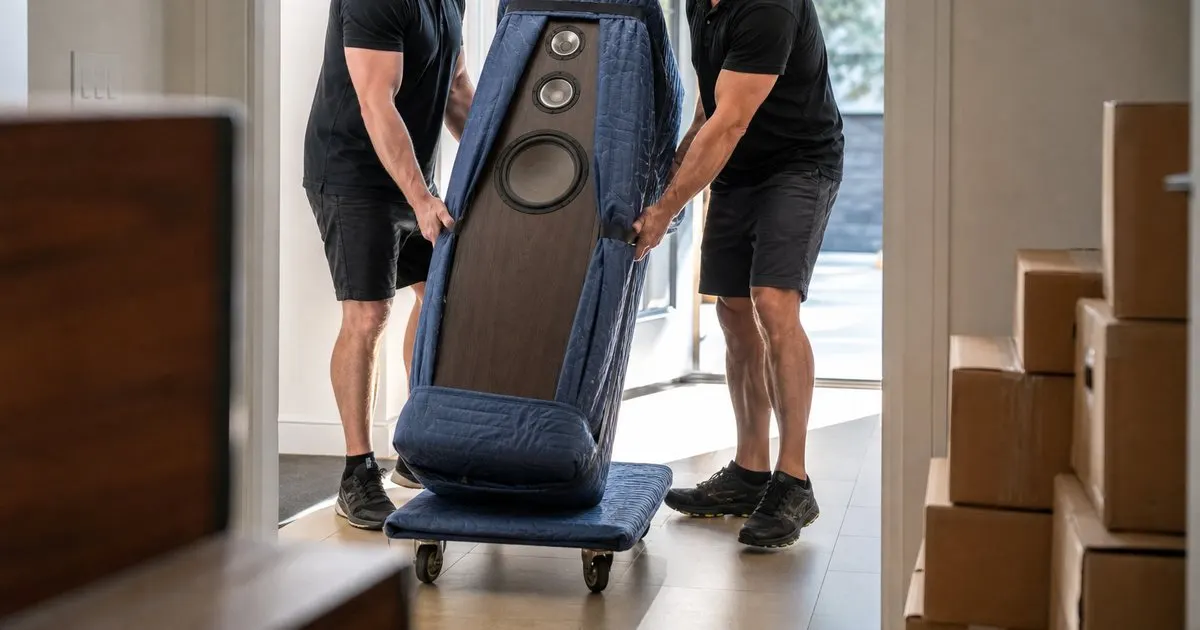
Original packaging is the single biggest factor
Keep the factory boxes, foam inserts, driver covers, and cloth bags for everything you own, flattened and stored in a garage, attic, or storage unit. Manufacturers engineer that packaging to survive freight handling, and no amount of moving blankets and bubble wrap replicates the way a molded insert holds a heavy cabinet away from impact. If you discarded the boxes, contact the manufacturer or your dealer well before the move; many makers sell replacement packaging, and dealers frequently have spare cartons from demo stock. Related: How Do You Audition Reference Loudspeakers So The Demo Predicts Your Room?
Before anything goes into a box, prepare each piece. Remove and bag the grilles, secure tonearms and remove counterweights, platters, and belts from turntables, pull tubes from tube amplifiers and pack them in their own boxes with the position noted, tape disc drawers shut, and either remove spike feet or wind them fully in and tape them. Label every cable and bag of hardware with the component it belongs to. Photograph each unit from every side, including serial number plates, before boxing. Those photographs are the evidence that decides an insurance claim if something arrives damaged.
Keep reading: How Do You Build A Reference Hi-Fi System Without Wasting Money?, What Makes Loudspeakers And Amplifiers Truly Match In A Real Room?, Which Component Deserves The Largest Share Of Your Hi-Fi Budget?. See how Sonoholm helps you an audiophile guide to reference loudspeakers and hi-fi.
Movers, specialist shippers, or your own car
A general household mover treats a loudspeaker weighing as much as an adult as furniture, and furniture is stacked, tipped, and slid. If you use a mover, list the audio equipment as high-value items on the inventory, ask that it be packed and loaded last so it comes off first, and instruct in writing that nothing is to be laid on its side or stacked. For long-distance moves, specialist white-glove freight companies handle audio and art, and their crews are trained for it; the cost is higher, and for a five-figure system it is usually justified. Related: Which Component Deserves The Largest Share Of Your Hi-Fi Budget?
For local moves, transporting the most valuable pieces yourself is often the safest option. Boxed loudspeakers ride upright in a vehicle with the seats folded, on a padded surface, wedged so they cannot shift. Never lay a floorstander on its side on a hard truck floor; sustained road vibration through a rigid surface can loosen driver mounting screws and stress crossover components. Electronics with heavy transformers should travel upright as well, because a large transformer hanging sideways from its mounting bolts through a long journey is asking for trouble.
Insurance: what the standard coverage does not do
The basic liability included in a moving contract, often called released value protection, is typically a small fixed amount per pound of weight, which means a destroyed loudspeaker worth thousands is compensated with a token sum. Movers sell full-value protection at extra cost, usually with a deductible and with exclusions for items the customer packed rather than the crew. Read the exclusions carefully. Items of extraordinary value generally need to be declared in writing, itemized, before the truck is loaded, or the coverage on them is capped.
Homeowners and renters policies may cover personal property in transit, but overall limits and category sub-limits apply, and a claim may raise premiums. The robust route for a system worth five figures is a scheduled personal property endorsement, sometimes called a rider, which lists each piece with a receipt or an appraisal and covers it at an agreed value. Keep receipts, serial numbers, and the photographs in a cloud folder that you can access from anywhere. After delivery, unpack, inspect, and test everything within the claim window, which can be short and which begins at delivery, not when you get around to setting up.
Setting up again at the other end
Allow every component to reach room temperature before powering it on, particularly in winter, because condensation inside cold electronics can cause damage at switch-on. Reconnect in a known order, verify loudspeaker polarity on both channels, check the bias and DC offset on any amplifier that allows it, and confirm that tubes are back in their original positions. Then start the placement process from scratch. The new room has different dimensions, different boundaries, and different bass behavior, and the positions that worked in the old house are only a starting point. Related: Why Does The Listening Room Shape Your Sound More Than Expected?
Treat the move as an opportunity rather than only a risk. It is the moment to specify a dedicated electrical circuit for the system if the new house is being wired, to choose a room layout that puts the loudspeakers on the long wall or the short wall deliberately, and to place the equipment rack where cable runs are short. Keep the boxes again, in the same flat stack, because there will be another move or another sale one day. And maintain a written inventory of the system going forward; insurers, buyers, and eventually your own estate will all be grateful for it. Related: What Makes Loudspeakers And Amplifiers Truly Match In A Real Room?
- Factory packaging is irreplaceable for transport; order replacements from the maker or dealer well before moving day if the boxes are gone.
- Prepare each piece properly, photograph everything, and move the most valuable items upright yourself or with a specialist crew.
- Standard mover liability pays a token amount per pound; declare values in writing and use full-value protection or a scheduled homeowners endorsement.
- Let equipment reach room temperature before switching on, and redo placement from scratch in the new room.

Julien Jimenez
Julien Jimenez is an independent software builder based in Paris. He designs, ships, and operates focused SaaS products for small businesses and independent professionals. Read the full author page.
Music As The Artist Intended
An audiophile guide to reference loudspeakers and hi-fi. Sonoholm is built to help you put this into practice.
Build your systemMore from the Sonoholm blog
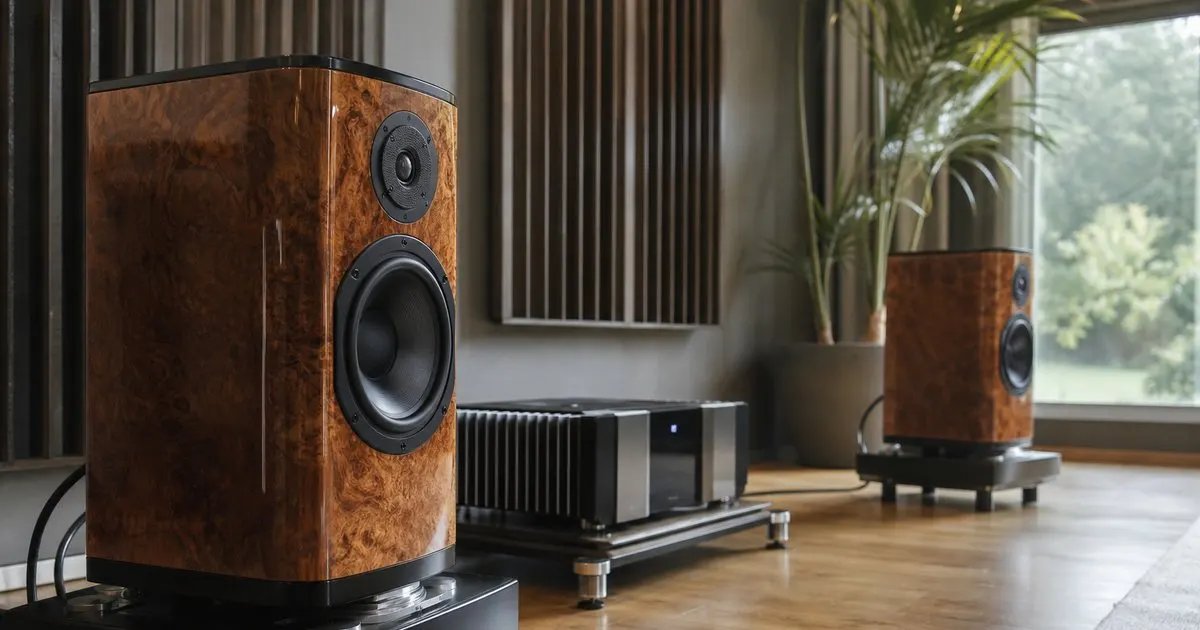
How Do You Build A Reference Hi-Fi System Without Wasting Money?
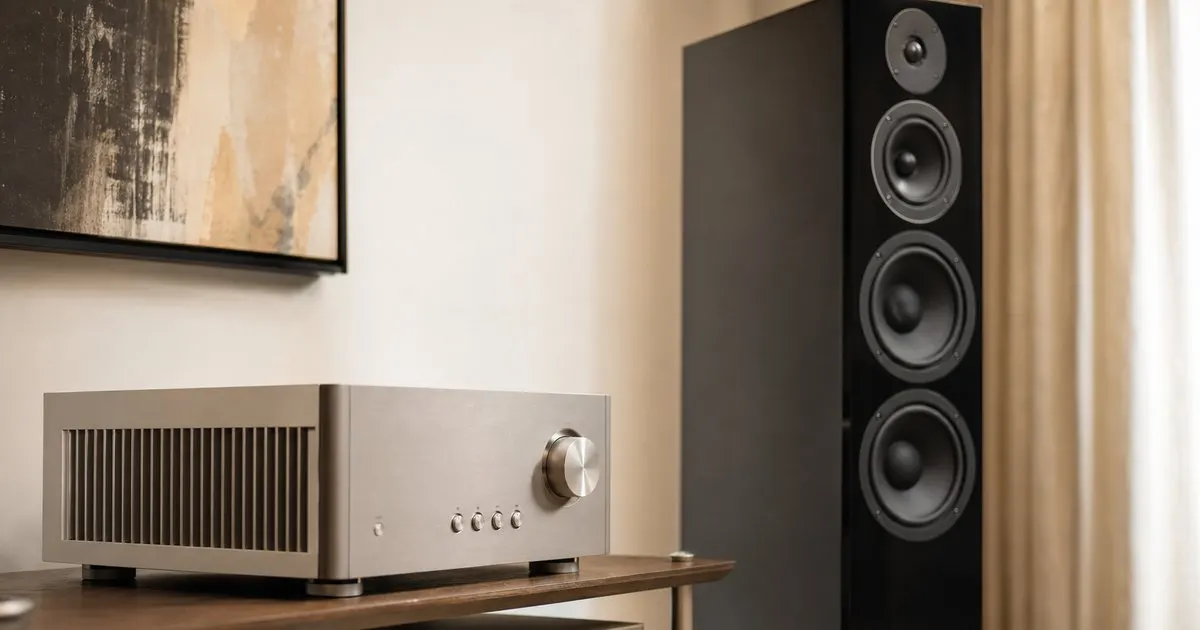
What Makes Loudspeakers And Amplifiers Truly Match In A Real Room?
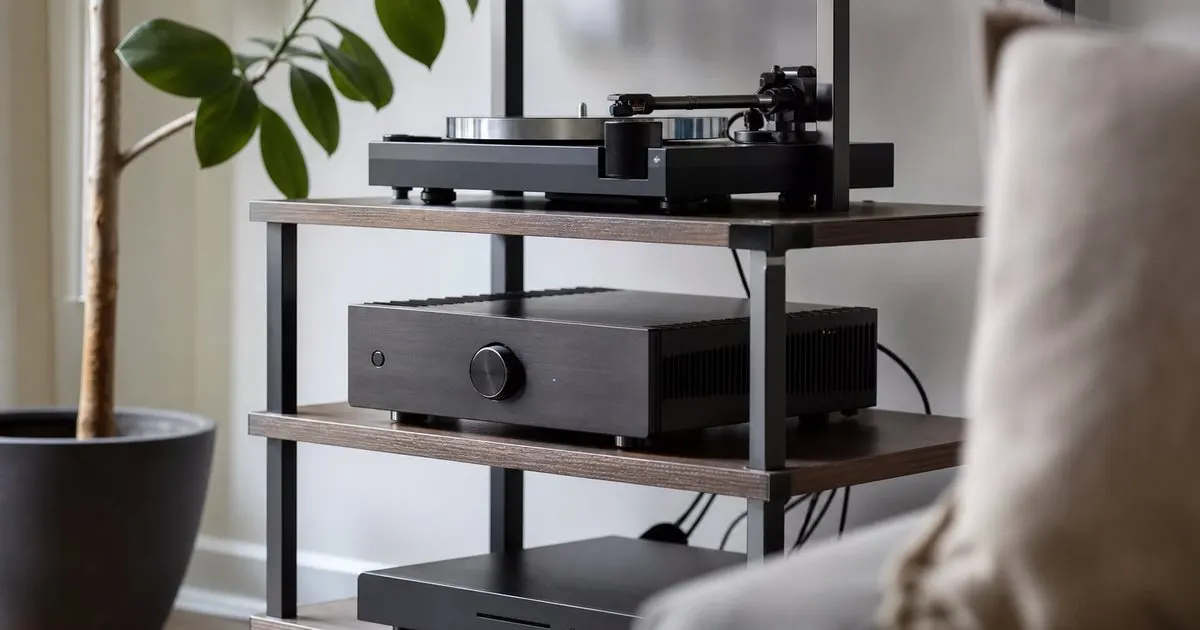
Which Component Deserves The Largest Share Of Your Hi-Fi Budget?
Get the complete reference hi-fi audio guide
Our full buying guide, the price guide, and new research as we publish it. One email, no spam, unsubscribe any time.