How Do You Build A Reference Hi-Fi System Without Wasting Money?
A disciplined approach to spending, where every component earns its place in the whole.
An independent guide to assembling a reference hi-fi system, from source to loudspeaker, so every component earns its place and the whole simply disappears.
An independent guide. We may earn a commission from some links, at no extra cost to you.
Fall audio show season and learning to audition properly. Autumn brings regional audio shows and dealer open houses across the country. Bring your own music, listen at your own levels, and use a structured method so the show floor informs rather than overwhelms.
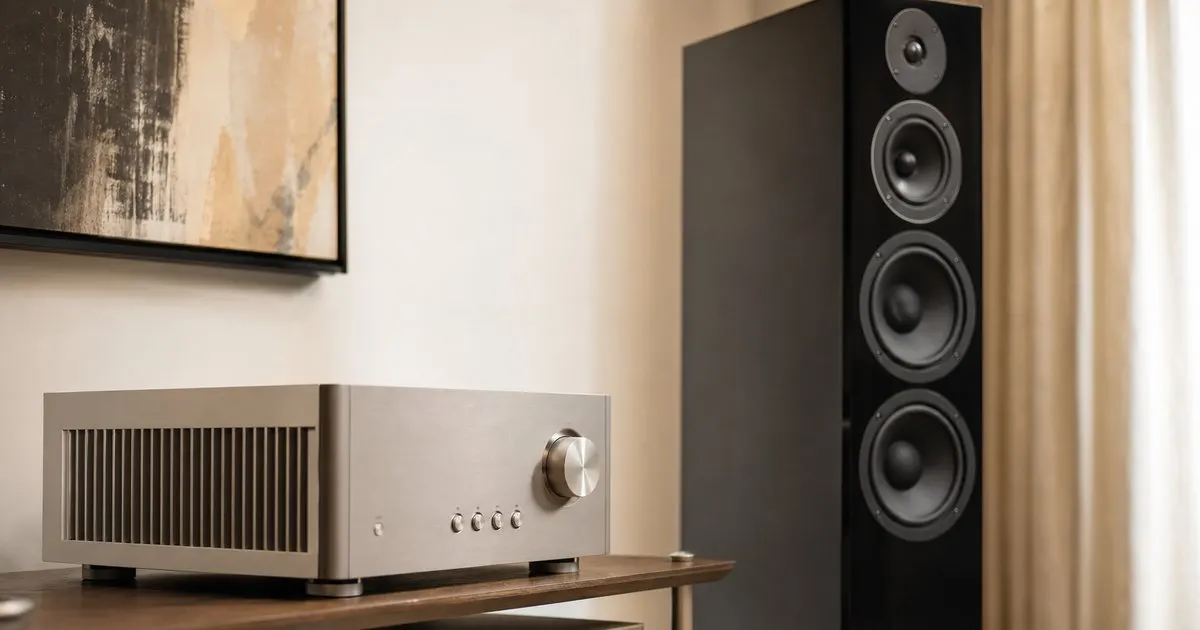
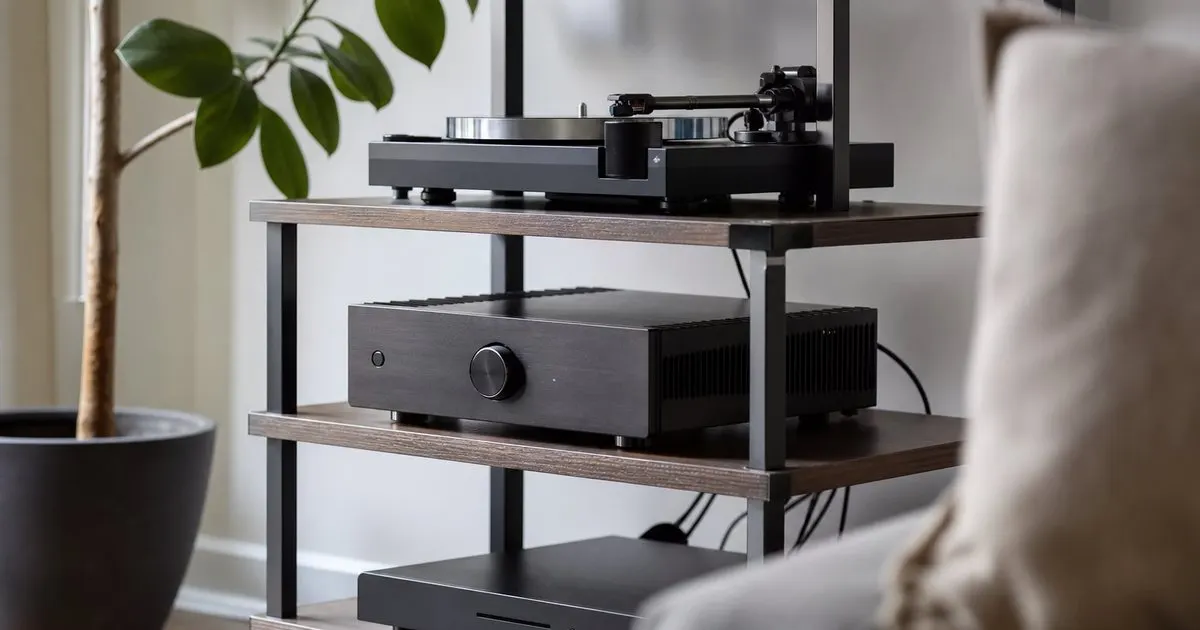
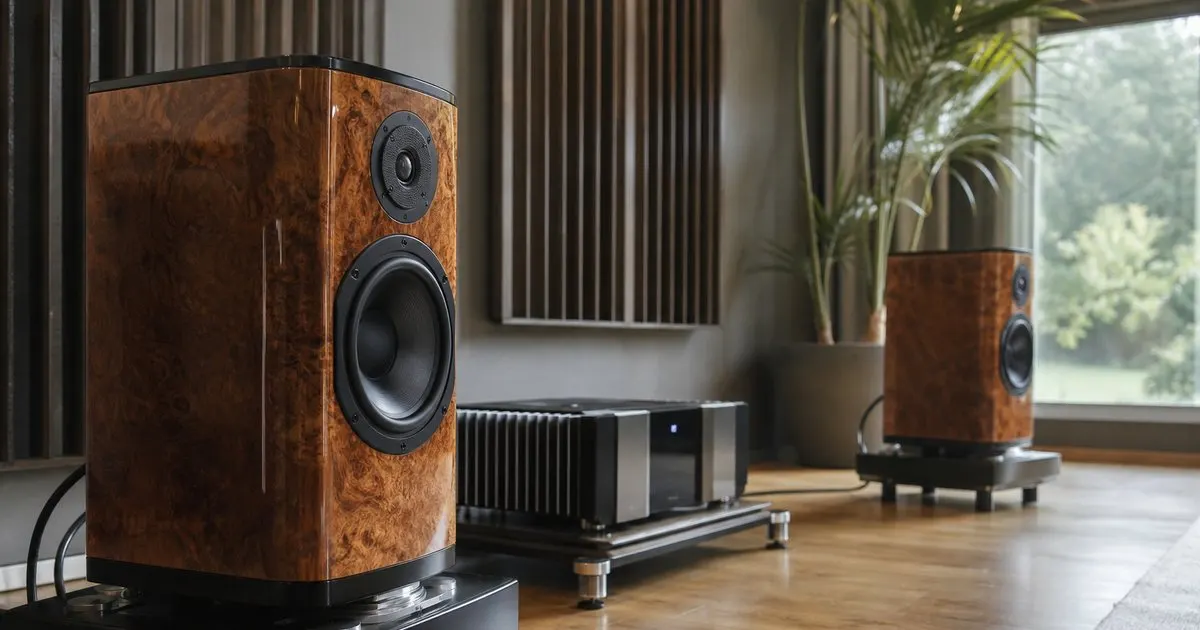
Build a reference system without wasting moneyThe level most serious listeners aim for, with room to voice each pillar carefully. Reference standmount or floorstander, Separate or premium integrated amplification, High resolution source and clean cabling.
The audio market rewards the impressive number and the striking chassis, yet a system is not a stack of trophies. Superb parts that are poorly matched to each other, or to the room, routinely sound worse than modest ones chosen with care.
Real fidelity comes from balance, between source, amplification, and loudspeakers, and from the space they play in. This guide reframes the decision around the whole, so your money buys a system that sings rather than a shelf that measures well.
The details that separate a considered purchase from an expensive mistake at this level.
The single most important criterion is how components match. Amplifier power and character must suit your loudspeakers, and every link should serve the same tonal balance rather than fight it.
Choose speakers for your room size and listening distance first. A large floorstander overwhelms a small room, while a fine standmount can outperform it when properly matched and placed.
Fidelity is set at the source. Whether analog or digital, a well engineered front end preserves detail that no downstream component can restore once it is lost.
Power should be appraised against loudspeaker sensitivity and impedance, not headline watts. Clean, stable amplification that suits your speakers matters more than raw output figures.
The room is a component. Reflections, standing waves, and speaker positioning shape the sound as much as any box, and thoughtful placement often delivers the biggest gains.
Reference gear should be built to last and to be repaired. Quality connectors, robust drivers, and manufacturers who support their products protect a long term investment.
A calm, three step way to arrive at the right choice with confidence.
Match loudspeakers to your space and seating distance before anything else. The room and the speakers set the ceiling that the rest of the system reaches toward.
Resist pouring everything into one glamorous box. A sensible split across source, amplification, and loudspeakers almost always yields more musical results.
Listen to familiar recordings at natural volume, and trust whether the performance moves you. Long listening reveals synergy that a quick demonstration hides.
A clear sense of what to expect at every level, from entry to bespoke. Independent guidance, never a sales pitch.
Figures are typical US market ranges to guide your planning, not quotes.

We take no commission to favor a brand, and we listen before we recommend. Our guidance rests on how components behave together in real rooms, and we update it as we hear more.
Balance matters more than any single split, but many listeners start with loudspeakers matched to the room, then allocate the remainder across source and amplification so no pillar bottlenecks the others.
Yes. Room dimensions, reflective surfaces, and speaker placement can transform the result more than a component swap, which is why setup deserves as much care as the purchase.
Neither is universally better. Both can be superb when the source is well engineered. The right choice depends on your library, your habits, and the sound you personally prefer.
They can refine a well matched system, but they cannot rescue a poorly matched one. Treat them as fine tuning after the core components and room are right, not as a shortcut.
Diminishing returns are real. Beyond a well chosen system, further spending yields smaller and smaller audible gains, and much depends on your room and the quality of your recordings.
Absolutely. In a modest room, a carefully matched standmount system can outperform a larger, poorly suited one. Fit to the space matters more than sheer size.
Our full buying guide, the price guide, and new research as we publish it. One email, no spam, unsubscribe any time.
An audiophile guide to reference loudspeakers and hi-fi. Independent guidance, written to help you choose well.
Read the complete guide