How Do You Build A Reference Hi-Fi System Without Wasting Money?
A disciplined approach to spending, where every component earns its place in the whole.
Build a reference system by thinking of it as one whole rather than a stack of trophies. Fit loudspeakers to the room first, then balance the budget across source, amplification, and speakers so no pillar bottlenecks the others. Audition with your own music, and let synergy, not specifications, guide every purchase you make.
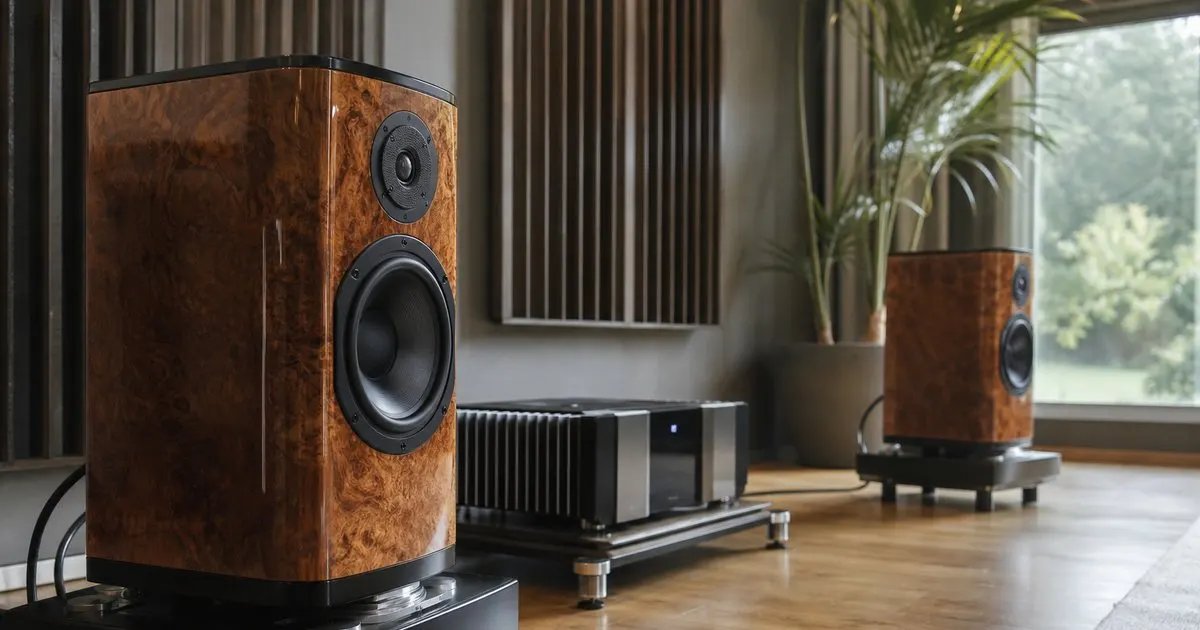
Think in systems, not trophies
The costliest mistake in high fidelity is buying impressive individual components that do not work together. A system is a relationship, and money spent on synergy returns more than money spent on specifications. Related: Why Does The Listening Room Shape Your Sound More Than Expected?
Before any purchase, decide how the parts will serve one coherent sound. When each link supports the same tonal balance, a modest budget can outperform a lavish but mismatched one.
Keep reading: What Makes Loudspeakers And Amplifiers Truly Match In A Real Room?, Which Component Deserves The Largest Share Of Your Hi-Fi Budget?, Why Does The Listening Room Shape Your Sound More Than Expected?. See how Sonoholm helps you an audiophile guide to reference loudspeakers and hi-fi.
Start with the room and the speakers
Your room sets the ceiling on what any system can achieve, and your loudspeakers must suit that space. Choosing speakers scaled to the room prevents the common waste of overpowering a small area. Related: What Makes Loudspeakers And Amplifiers Truly Match In A Real Room?
Once the speakers fit the room, the rest of the system can be chosen to complement them. This order, room first, then speakers, then electronics, keeps spending focused on what you will actually hear. Related: When Should You Choose Standmount Speakers Over Larger Floorstanding Models?
Balance the budget across pillars
Pouring most of the budget into one glamorous box usually disappoints. A sensible split across source, amplification, and loudspeakers avoids a bottleneck that holds back everything else.
There is no single perfect ratio, but no pillar should be so weak that it limits the others. Balance protects your investment from the weakest link dragging down the whole.
Audition before you commit
Numbers on a page cannot tell you how a system sounds. Listen with your own familiar recordings, at natural volume, and judge whether the music moves you rather than whether the specifications impress.
Trust extended listening over quick demonstrations. Synergy and fatigue both reveal themselves over time, and patience here saves the expensive regret of a system that measures well but tires the ear. Related: What Should A Serious Listener Do When A New System Sounds Bright And Fatiguing?
- Buy for synergy, not standalone specifications
- Fit the loudspeakers to the room first
- Split the budget so no pillar bottlenecks the rest
- Audition with your own music before committing

Julien Jimenez
Julien Jimenez is an independent software builder based in Paris. He designs, ships, and operates focused SaaS products for small businesses and independent professionals. Read the full author page.
Frequently asked questions
Is it better to buy everything at once or build gradually?
Either can work, but keep the end system in mind so each addition matches the rest. Building gradually is fine when you plan the final balance and avoid components you will soon outgrow.
How much of the budget should go to loudspeakers?
There is no fixed rule, but speakers deserve a substantial share because they and the room shape the sound most. Just avoid starving the source and amplification that feed them.
Music As The Artist Intended
An audiophile guide to reference loudspeakers and hi-fi. Sonoholm is built to help you put this into practice.
Build your systemMore from the Sonoholm blog
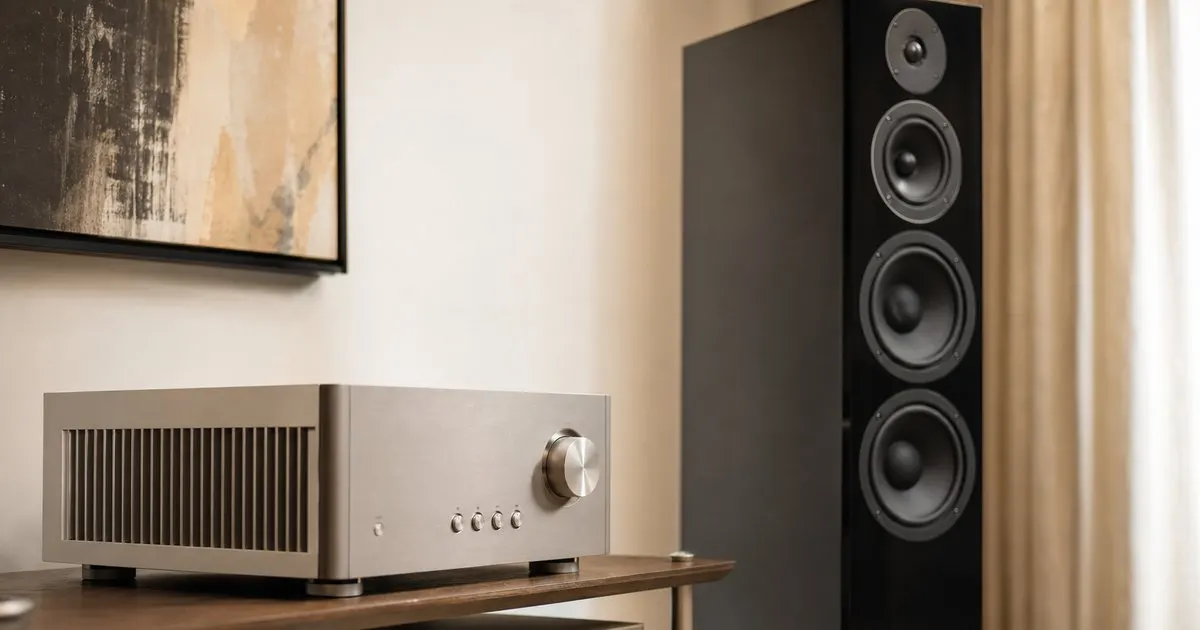
What Makes Loudspeakers And Amplifiers Truly Match In A Real Room?
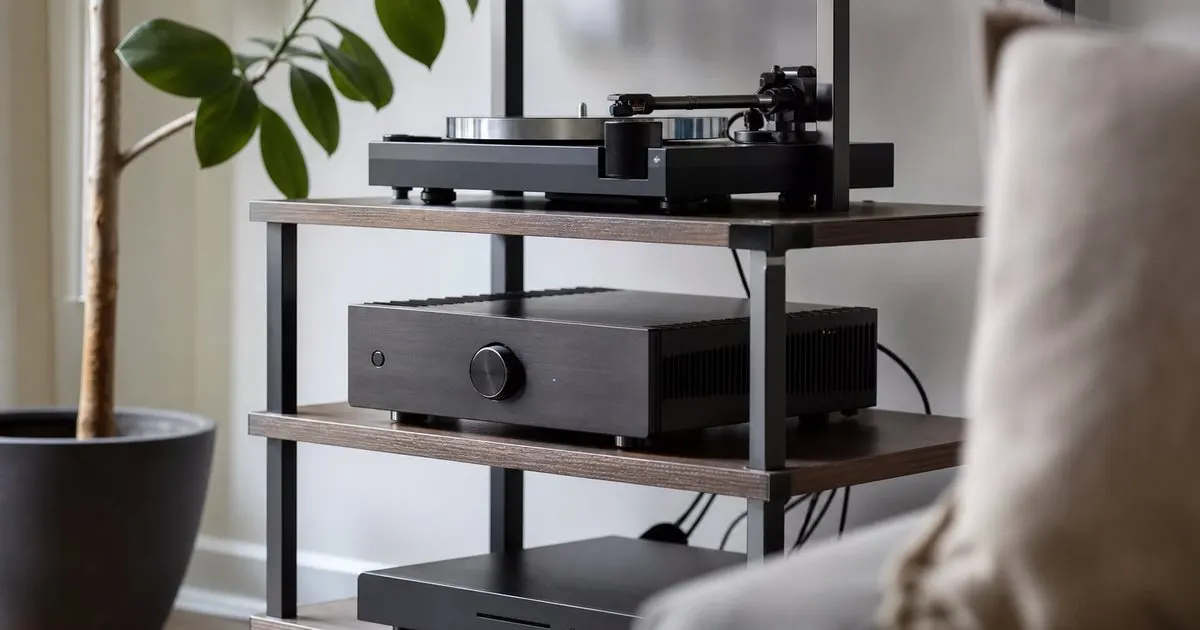
Which Component Deserves The Largest Share Of Your Hi-Fi Budget?
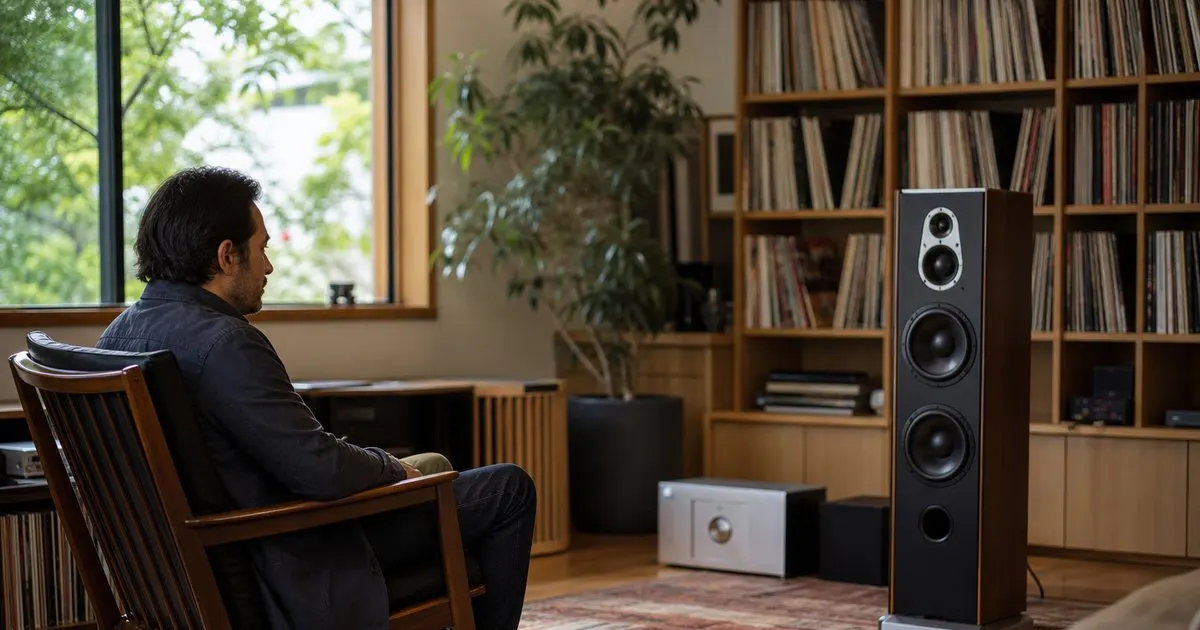
Why Does The Listening Room Shape Your Sound More Than Expected?
Get the complete reference hi-fi audio guide
Our full buying guide, the price guide, and new research as we publish it. One email, no spam, unsubscribe any time.