Are Expensive Cables And Isolation Worth The Investment In High Fidelity?
A level headed view of where accessories help, and where they simply do not.
Expensive cables and isolation are refinements, not foundations. Well made basic cables satisfy most needs, and isolation helps sensitive sources more than solid state electronics. Get the speakers, room, source, and amplification right first, then judge any accessory in your own system. Kept in proportion, they add polish, not transformation.
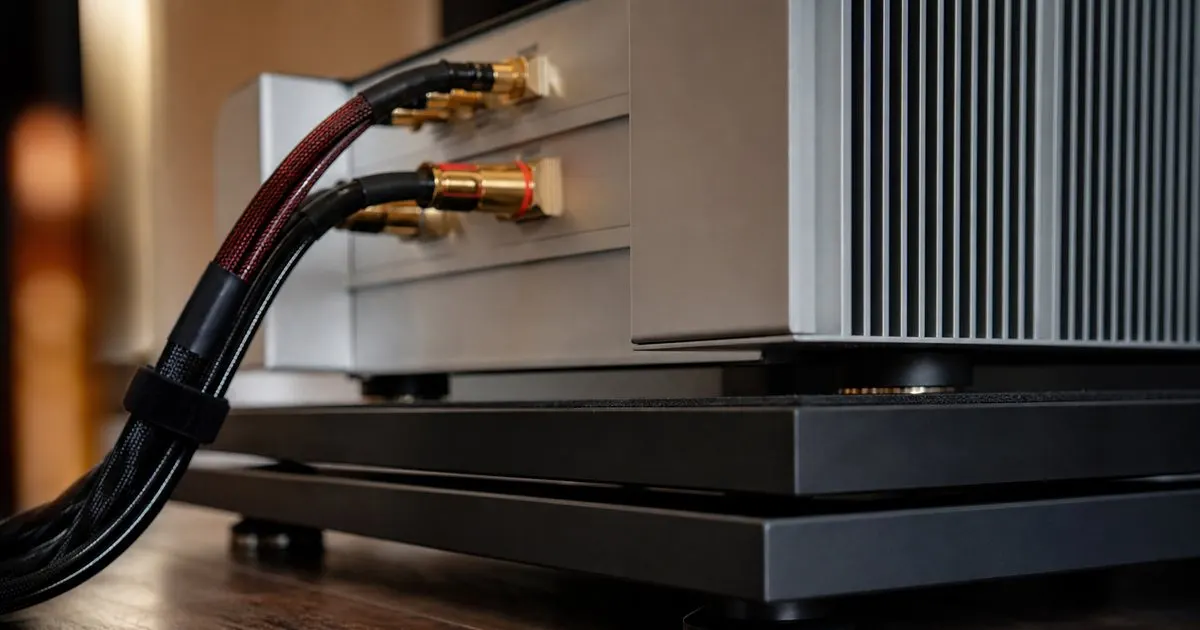
Get the fundamentals right first
Cables and isolation are fine tuning, not foundations. If the speakers, room, source, and amplification are not right, no accessory will rescue the sound, and money is better spent on the core. Related: Why Does The Listening Room Shape Your Sound More Than Expected?
The most reliable path to better sound is a well matched system in a treated room. Only once that is in place does it make sense to consider refinements at the margins. Related: What Makes Loudspeakers And Amplifiers Truly Match In A Real Room?
Keep reading: How Do You Build A Reference Hi-Fi System Without Wasting Money?, What Makes Loudspeakers And Amplifiers Truly Match In A Real Room?, Which Component Deserves The Largest Share Of Your Hi-Fi Budget?. See how Sonoholm helps you an audiophile guide to reference loudspeakers and hi-fi.
What cables can and cannot do
Well made cables of adequate gauge and solid connectors ensure a clean, reliable signal path. Beyond that baseline, differences tend to be subtle and system dependent rather than transformative.
Buy honest, properly built cables and route them with care. Treat grand claims skeptically, and judge any cable in your own system rather than by description.
Isolation and vibration control
Some components, particularly sources with moving parts, can benefit from stable supports and vibration control. A steady platform can help sensitive equipment perform as intended. Related: What Is The Best Way To Move And Insure A High-End Hi-Fi System?
For most solid state electronics, the gains are smaller. Sensible, sturdy support matters, but elaborate isolation should be approached as an experiment, not a guaranteed upgrade.
Spend in proportion
Accessories should occupy a modest place in the budget, applied after the core system is settled. Kept in proportion, they can add a final polish worth having. Related: How Do You Build A Reference Hi-Fi System Without Wasting Money?
The honest guidance is to buy quality basics, trust your own ears for anything beyond that, and never let accessories crowd out spending on the components that shape the sound.
- Fix the core system before buying accessories
- Quality basic cables meet most real needs
- Isolation helps sources more than solid state gear
- Keep accessory spending in modest proportion

Julien Jimenez
Julien Jimenez is an independent software builder based in Paris. He designs, ships, and operates focused SaaS products for small businesses and independent professionals. Read the full author page.
Frequently asked questions
Will pricier speaker cables noticeably improve my sound?
Beyond a well made baseline, differences are usually subtle and depend on the system. Buy honest cables of adequate gauge, then trust your own ears rather than price before spending more.
Is vibration isolation a gimmick?
Not entirely. Sources with moving parts can benefit from stable, vibration controlled supports, while solid state electronics gain less. Treat elaborate isolation as an experiment judged by listening, not a certain upgrade.
Music As The Artist Intended
An audiophile guide to reference loudspeakers and hi-fi. Sonoholm is built to help you put this into practice.
Build your systemMore from the Sonoholm blog
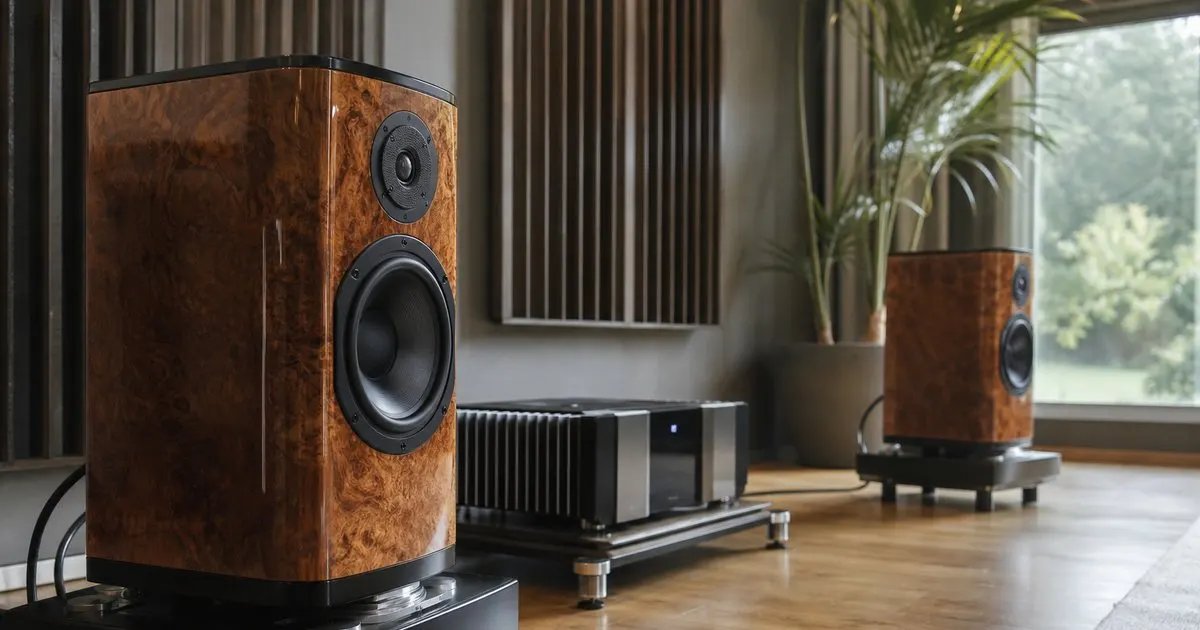
How Do You Build A Reference Hi-Fi System Without Wasting Money?
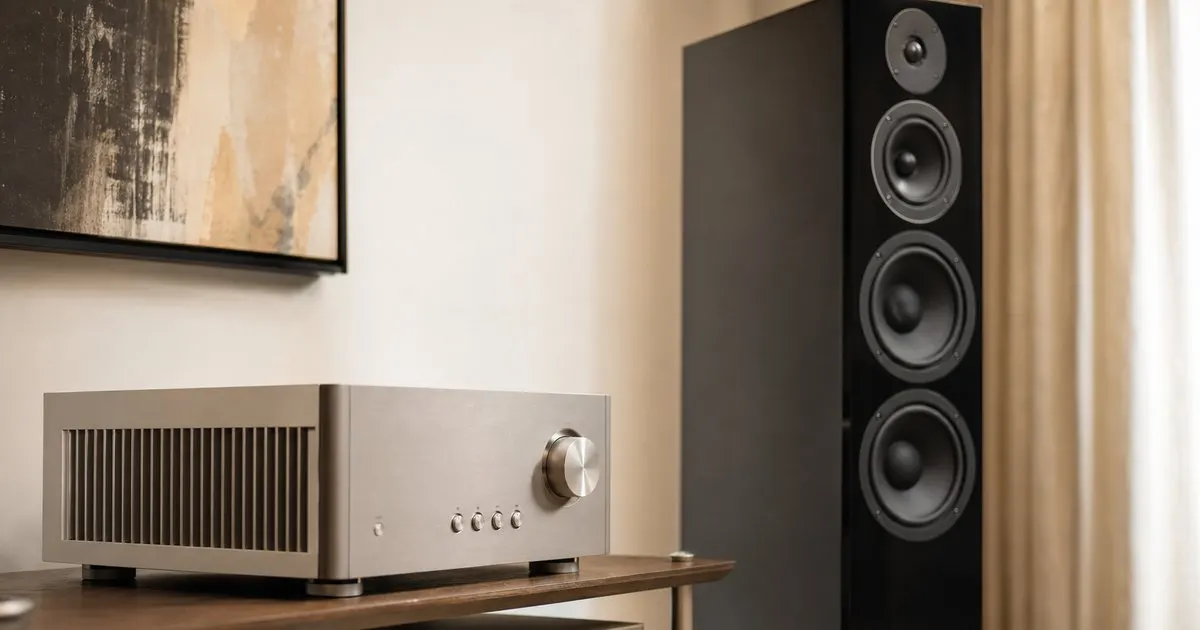
What Makes Loudspeakers And Amplifiers Truly Match In A Real Room?
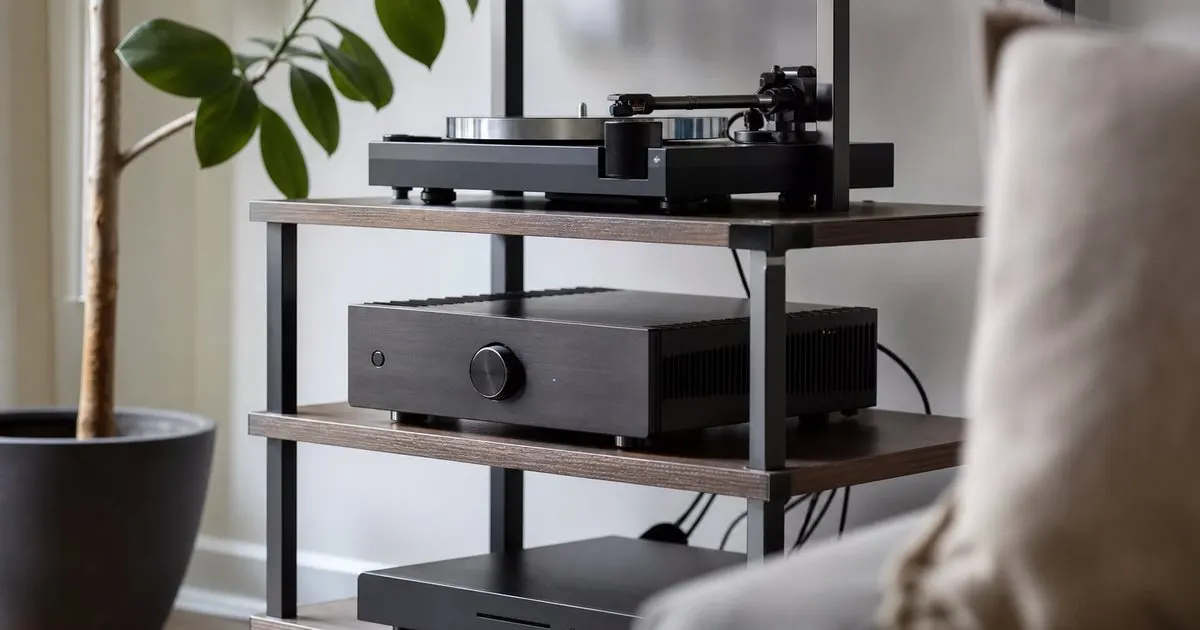
Which Component Deserves The Largest Share Of Your Hi-Fi Budget?
Get the complete reference hi-fi audio guide
Our full buying guide, the price guide, and new research as we publish it. One email, no spam, unsubscribe any time.