When Should You Choose Standmount Speakers Over Larger Floorstanding Models?
How room size, listening distance, and honest priorities point to the right cabinet.
Choose standmounts when your room is small or your listening distance short, since a large floorstander can overwhelm the space and unsettle the bass. Standmounts often excel at imaging and coherence, while floorstanders reward larger rooms with deeper bass and scale. Match the speaker to the room, and budget for proper stands.
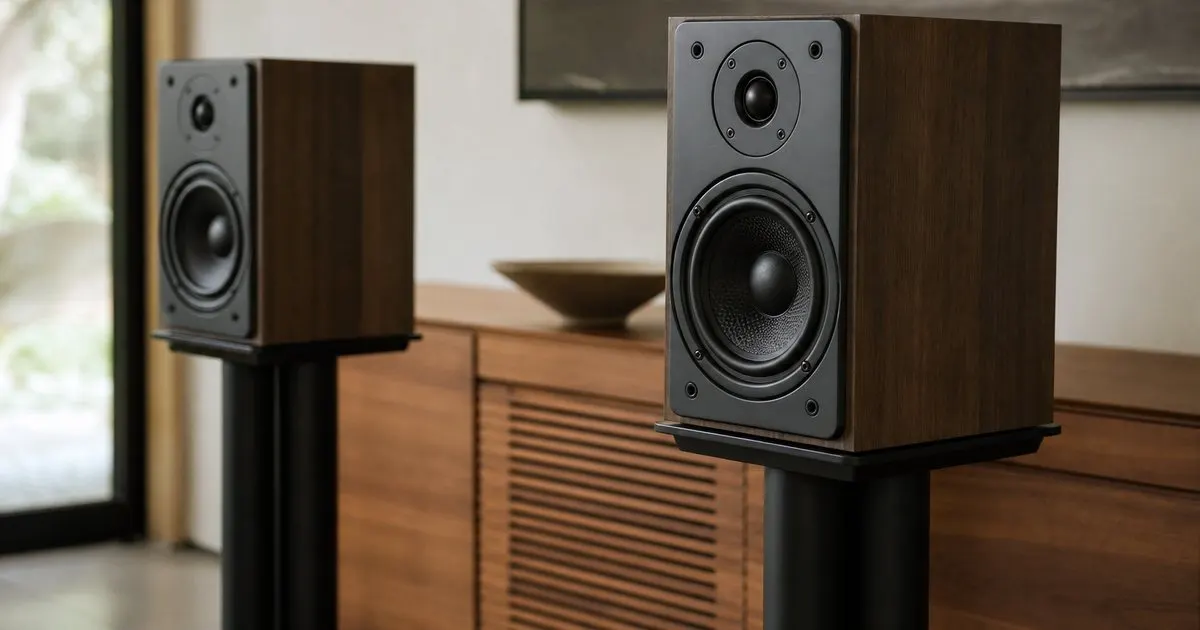
Match the speaker to the room
A large floorstander in a small room can overwhelm the space, exciting bass modes and crowding the sound. In such rooms, a fine standmount often plays with more clarity and control. Related: Why Does The Listening Room Shape Your Sound More Than Expected?
Floorstanders reward larger rooms and greater listening distances, where their scale and bass extension can breathe. The first question is always how the speaker fits the space it must fill.
Keep reading: How Do You Build A Reference Hi-Fi System Without Wasting Money?, What Makes Loudspeakers And Amplifiers Truly Match In A Real Room?, Which Component Deserves The Largest Share Of Your Hi-Fi Budget?. See how Sonoholm helps you an audiophile guide to reference loudspeakers and hi-fi.
What each design does well
Standmounts typically excel at imaging and coherence, presenting a focused, believable soundstage. Their smaller cabinets can disappear into the room, leaving the music seemingly free of any box.
Floorstanders generally offer deeper bass and greater dynamic ease, moving more air without strain. In the right room, that authority and scale can be genuinely thrilling. Related: Why Does A Subwoofer Still Belong In A Two Channel Reference System?
The trade-offs to weigh
A quality standmount plus good stands can rival or beat a mediocre floorstander, and it places less demand on the room. But it may not reach the lowest bass or the largest scale. Related: Can A Compact System Ever Sound As Good As A Large One?
Consider whether you crave deep bass and volume, or precision and coherence in a modest space. Neither is superior in the abstract, and the honest choice follows your room and taste.
Placement and stands matter
Standmounts depend on solid, correctly heighted stands and careful placement to perform. Skimping on stands undermines their strengths, so budget for them as part of the speaker.
Floorstanders need room to breathe away from walls to control bass. Whichever you choose, placement is inseparable from the result, and it often decides which design suits you best.
- Standmounts suit smaller rooms and shorter distances
- Floorstanders reward larger rooms with deeper bass
- Standmounts often excel at imaging and coherence
- Budget for proper stands and thoughtful placement

Julien Jimenez
Julien Jimenez is an independent software builder based in Paris. He designs, ships, and operates focused SaaS products for small businesses and independent professionals. Read the full author page.
Frequently asked questions
Do standmount speakers lack bass?
They reach less deep than large floorstanders, but a good standmount produces satisfying, well controlled bass in a suitable room, and it often sounds tighter than an oversized speaker forced into a small space.
Are stands really necessary for standmount speakers?
Yes. Solid, correctly heighted stands are essential to their performance, positioning the drivers properly and reducing unwanted resonance. Treat the stands as part of the speaker, not an optional accessory.
Music As The Artist Intended
An audiophile guide to reference loudspeakers and hi-fi. Sonoholm is built to help you put this into practice.
Build your systemMore from the Sonoholm blog
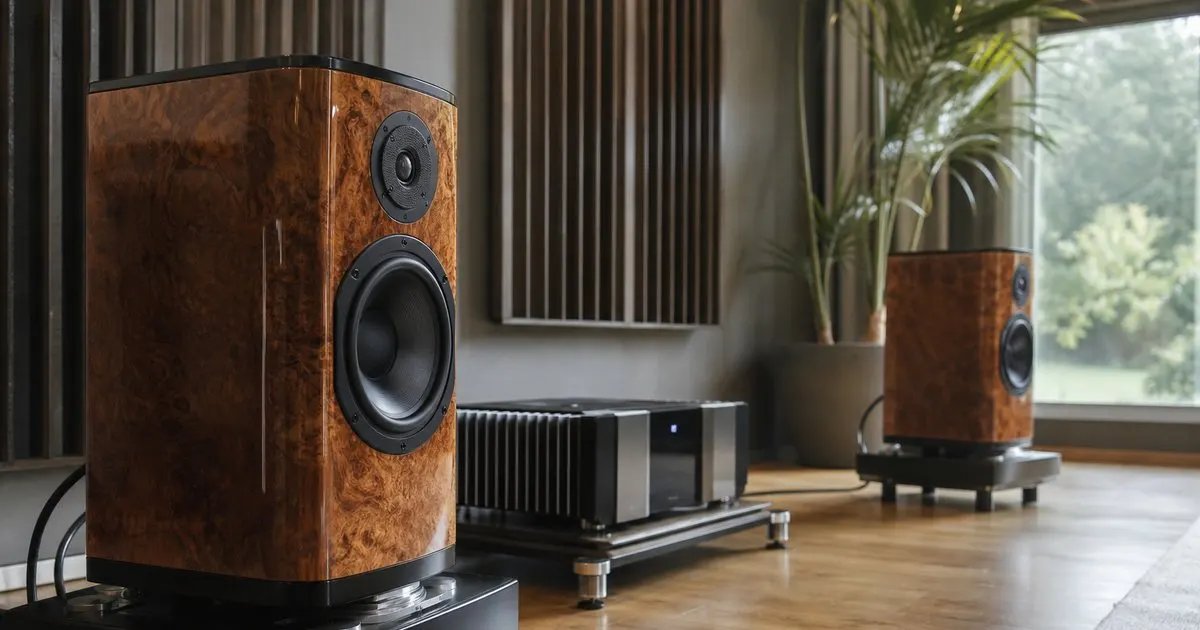
How Do You Build A Reference Hi-Fi System Without Wasting Money?
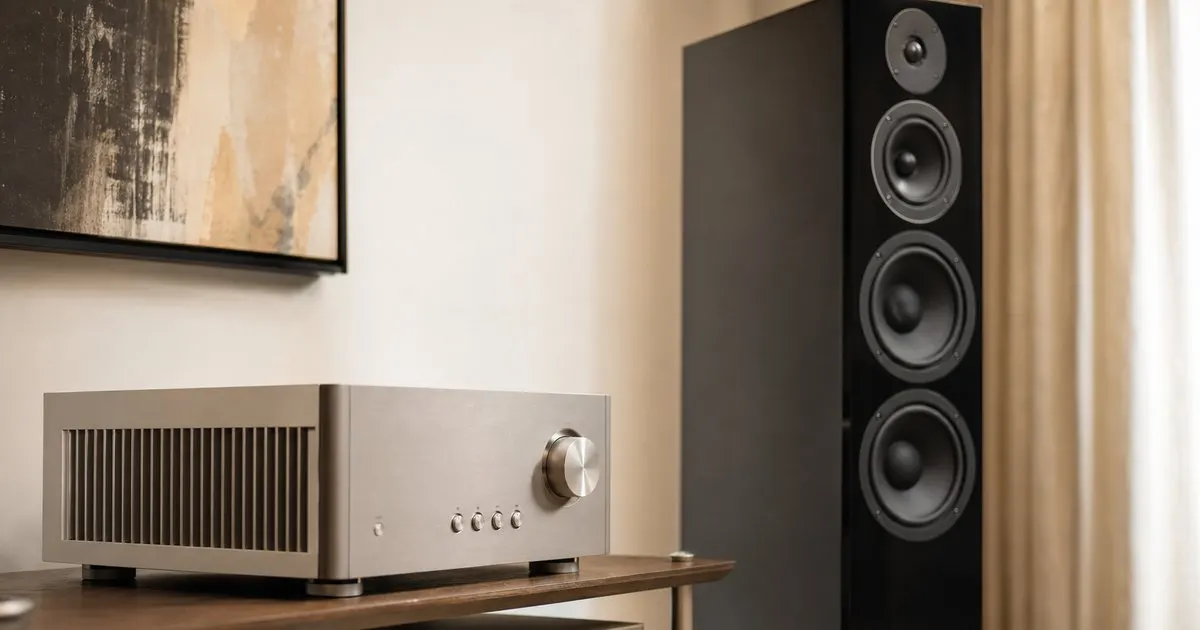
What Makes Loudspeakers And Amplifiers Truly Match In A Real Room?
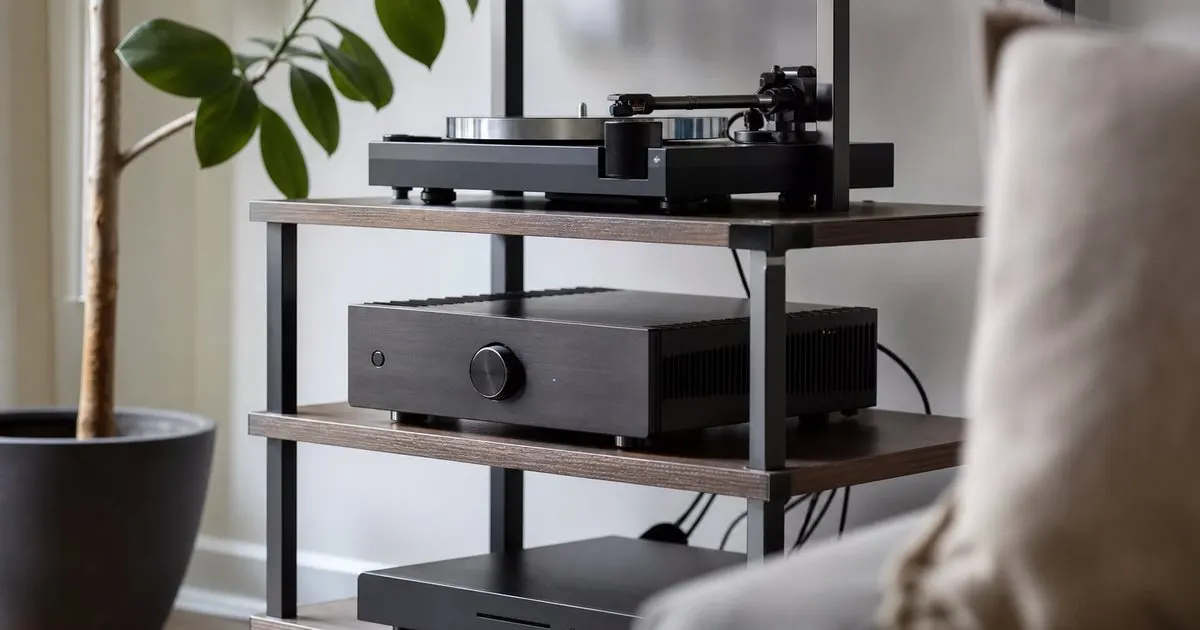
Which Component Deserves The Largest Share Of Your Hi-Fi Budget?
Get the complete reference hi-fi audio guide
Our full buying guide, the price guide, and new research as we publish it. One email, no spam, unsubscribe any time.