Can A Compact System Ever Sound As Good As A Large One?
Why fit to the room, not sheer size, determines how good a system sounds.
Yes, a compact system can sound as good as a large one, and better when the room is small. Fit to the space matters more than size, and compact systems often excel at imaging and easy placement. The honest trade-off is the deepest bass and grandest scale, which many listeners never miss.
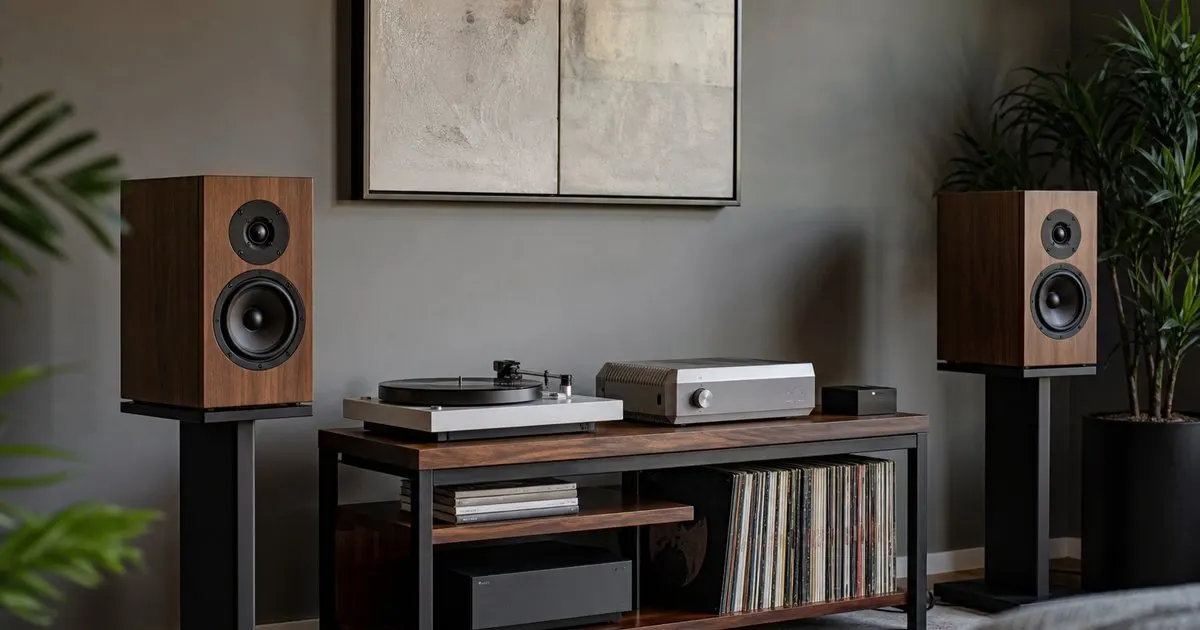
Fit matters more than size
A system that suits its room will usually outperform a larger one that does not. In a modest space, a carefully matched compact system can sound more coherent and controlled than an oversized rig. Related: Why Does The Listening Room Shape Your Sound More Than Expected?
Bigger is not automatically better. The right scale lets a system breathe, while too much speaker in too little room fights the space rather than filling it gracefully. Related: What Makes Loudspeakers And Amplifiers Truly Match In A Real Room?
Keep reading: How Do You Build A Reference Hi-Fi System Without Wasting Money?, What Makes Loudspeakers And Amplifiers Truly Match In A Real Room?, Which Component Deserves The Largest Share Of Your Hi-Fi Budget?. See how Sonoholm helps you an audiophile guide to reference loudspeakers and hi-fi.
Where compact systems excel
Compact systems often deliver superb imaging and a focused, intimate presentation. In a near field or small room setting, they can place voices and instruments with striking precision.
They also make placement and room control easier. With less bass energy to manage, a compact system is frequently simpler to set up well, which translates directly into better sound.
The honest limits
What a compact system gives up is the deepest bass and the effortless scale of large speakers in a large room. For those who crave physical low end and grand dynamics, size still has its place. Related: When Should You Choose Standmount Speakers Over Larger Floorstanding Models?
Acknowledging these limits is part of choosing wisely. If your music and room call for scale, a larger system earns its space, but many listeners never miss what a compact system omits.
Building a compact system well
Choose speakers scaled to the room, an amplifier that suits them, and a capable source, then attend to placement and treatment. The same discipline that guides any system applies here. Related: Should You Buy Separate Components Or A Single Integrated Amplifier First?
Do not view compact as a compromise by default. Approached with care, it is a legitimate and often superior choice for real rooms, delivering musical satisfaction that belies its footprint.
- A well matched compact system can beat an oversized one
- Compact setups excel at imaging and easy placement
- The trade-off is the deepest bass and grand scale
- Scale the speakers to the room and set them up with care

Julien Jimenez
Julien Jimenez is an independent software builder based in Paris. He designs, ships, and operates focused SaaS products for small businesses and independent professionals. Read the full author page.
Frequently asked questions
Is a compact system always a compromise?
No. In a suitable room it can be the superior choice, offering coherence and control that an oversized system cannot. It compromises only on the deepest bass and largest scale.
What room suits a compact system best?
Small to medium rooms and shorter listening distances suit compact systems well, where their imaging shines and their modest bass is easier to place and control than a large speaker's output.
Music As The Artist Intended
An audiophile guide to reference loudspeakers and hi-fi. Sonoholm is built to help you put this into practice.
Build your systemMore from the Sonoholm blog
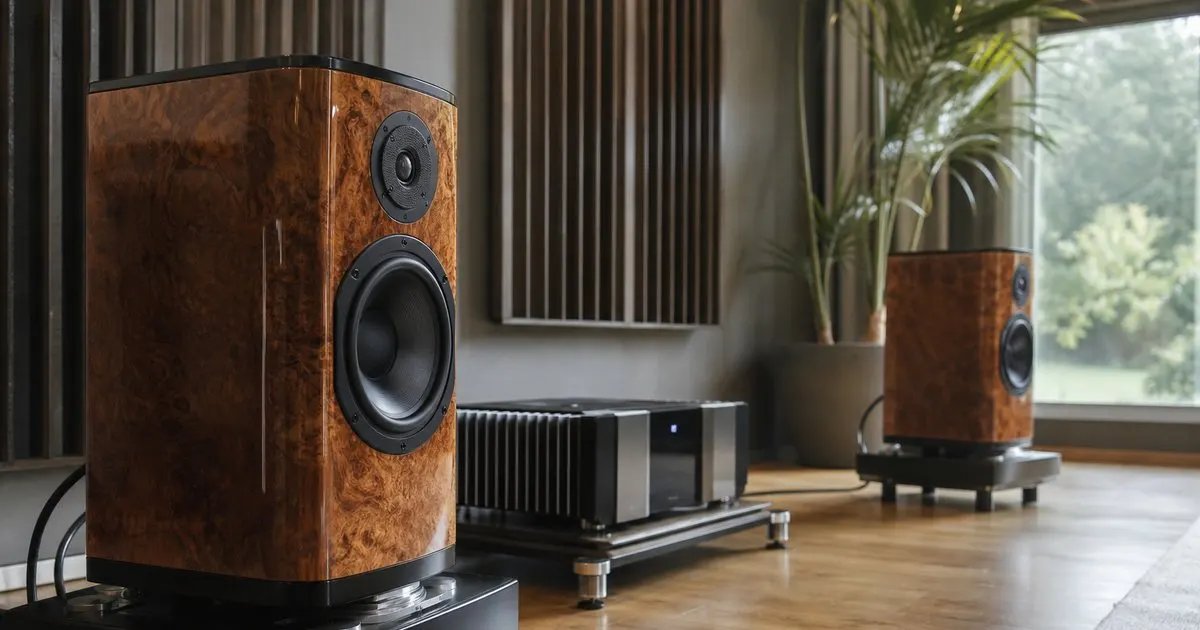
How Do You Build A Reference Hi-Fi System Without Wasting Money?
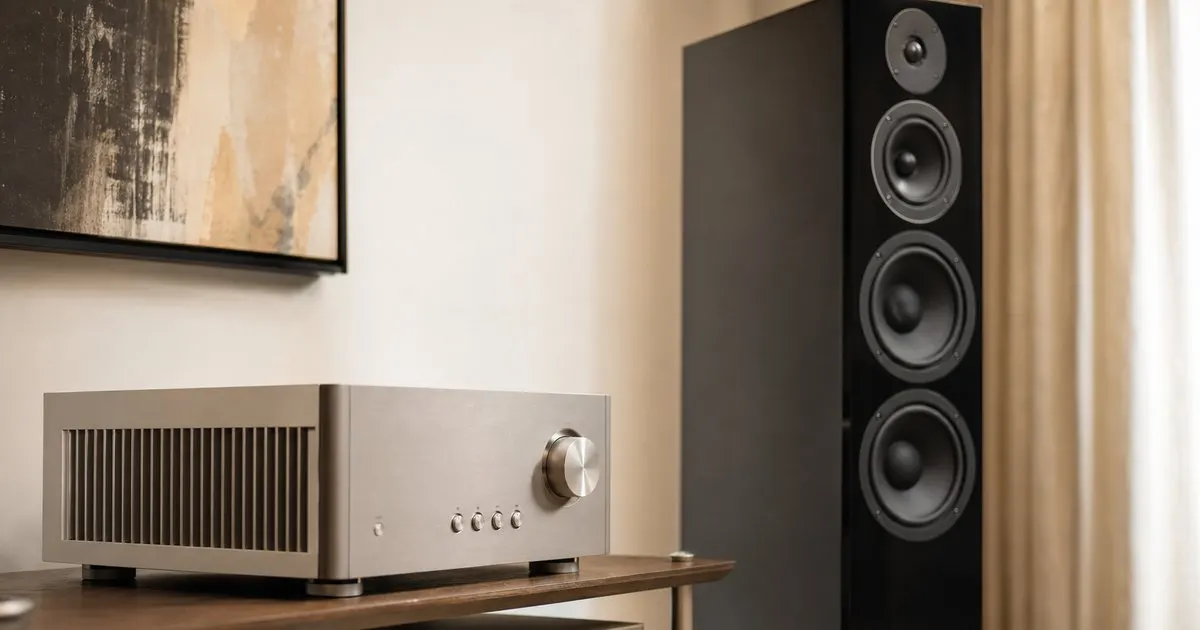
What Makes Loudspeakers And Amplifiers Truly Match In A Real Room?
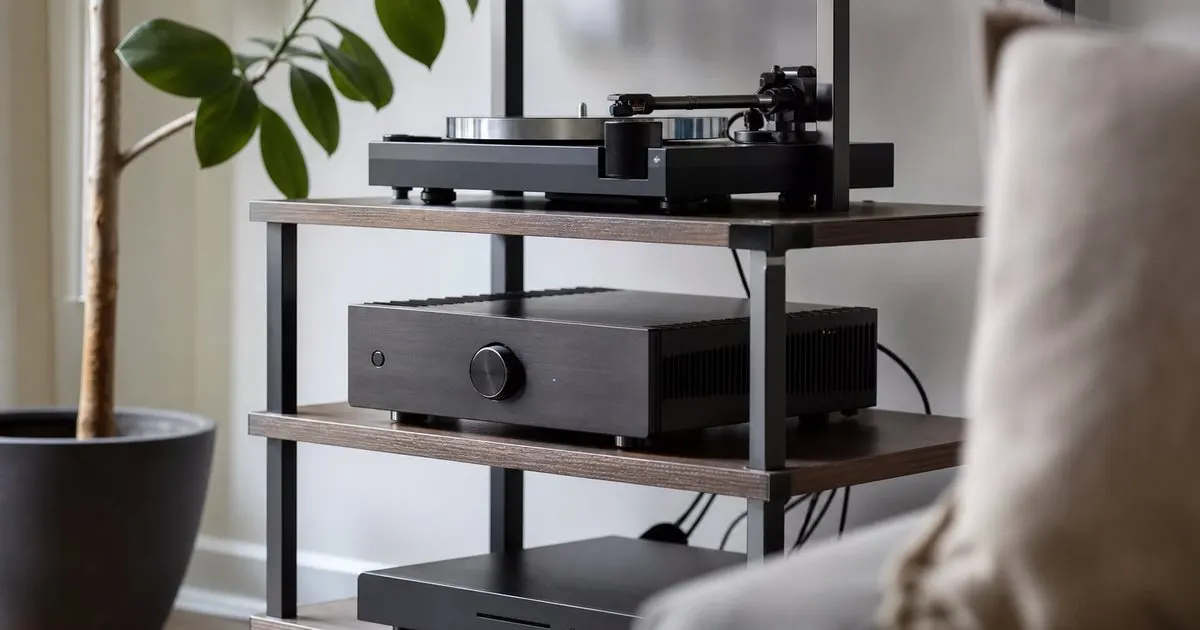
Which Component Deserves The Largest Share Of Your Hi-Fi Budget?
Get the complete reference hi-fi audio guide
Our full buying guide, the price guide, and new research as we publish it. One email, no spam, unsubscribe any time.