Should You Buy Separate Components Or A Single Integrated Amplifier First?
Weighing simplicity and value against flexibility and ultimate performance.
Start with a quality integrated amplifier unless you are committed to a reference build. Integrateds simplify the system, concentrate value, and free budget for speakers and source, delivering most of the performance with less complexity. Separates reward those chasing the last measure and willing to manage more boxes, cables, and cost.
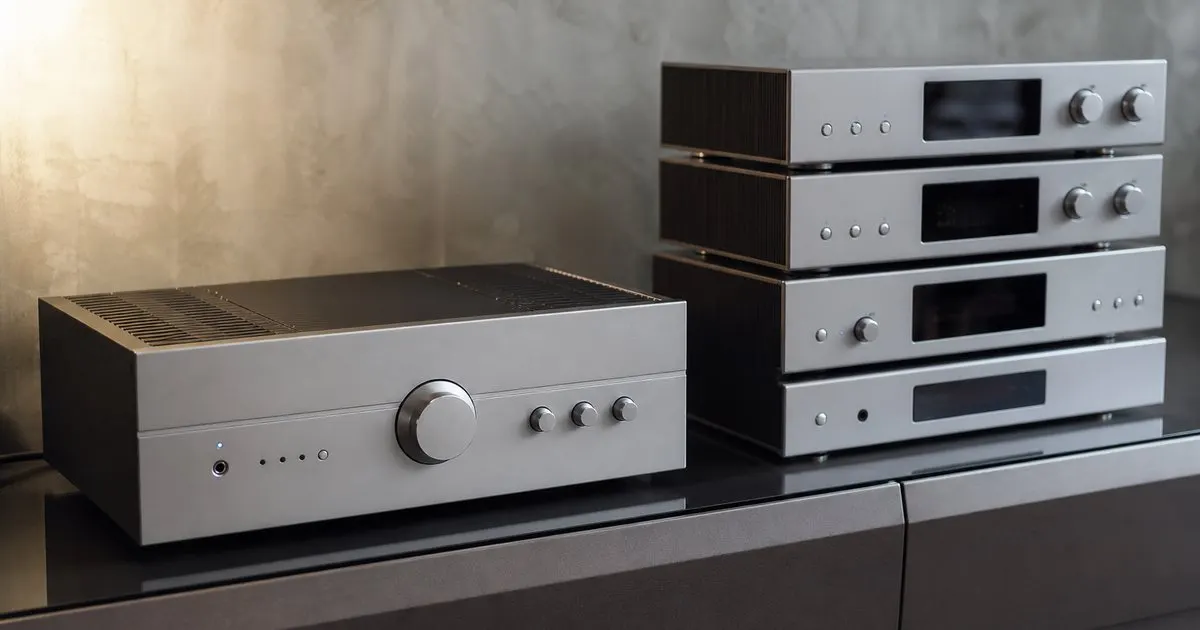
What an integrated amplifier offers
An integrated amplifier combines preamplifier and power amplifier in one chassis, often with built in convenience. It simplifies the system, reduces cabling, and concentrates value into a single well engineered box. Related: What Makes Loudspeakers And Amplifiers Truly Match In A Real Room?
For many listeners, a quality integrated is the wiser starting point. It delivers most of the performance with less complexity and cost, freeing budget for speakers and source.
Keep reading: How Do You Build A Reference Hi-Fi System Without Wasting Money?, What Makes Loudspeakers And Amplifiers Truly Match In A Real Room?, Which Component Deserves The Largest Share Of Your Hi-Fi Budget?. See how Sonoholm helps you an audiophile guide to reference loudspeakers and hi-fi.
What separates offer
Separate preamplifier and power amplifier allow each stage to be optimized and isolated, which can yield the highest performance and greater flexibility to upgrade one piece at a time.
That capability comes with more boxes, more cables, and more cost. Separates reward those pursuing the last measure of performance and willing to manage the added complexity.
Match the choice to your goals
If simplicity, value, and a clean setup appeal to you, begin with an integrated amplifier. If you intend to build toward a reference system over time, separates leave more room to grow. Related: How Do You Build A Reference Hi-Fi System Without Wasting Money?
There is no wrong answer, only a fit to your priorities. Many outstanding systems are built around a single integrated, while others justify the reach of separates.
A sensible path forward
Starting with a fine integrated amplifier is rarely a mistake. It lets you invest in speakers and source now, and you can revisit separates later if your ambitions and room justify them. Related: When Should You Choose Standmount Speakers Over Larger Floorstanding Models?
Let the speakers and room guide the decision, since they shape the sound most. Choose the amplification approach that serves them well today and leaves your options open for tomorrow. Related: Why Does The Listening Room Shape Your Sound More Than Expected?
- Integrated amplifiers simplify the system and concentrate value
- Separates offer top performance and upgrade flexibility
- Match the choice to your goals and budget
- A quality integrated is a sound place to start

Julien Jimenez
Julien Jimenez is an independent software builder based in Paris. He designs, ships, and operates focused SaaS products for small businesses and independent professionals. Read the full author page.
Frequently asked questions
Do separates always sound better than an integrated?
Not always. A fine integrated can outperform mediocre separates, and it simplifies the system. Separates reach higher at the top end, but only when each stage is genuinely excellent and well matched.
Can I upgrade from an integrated to separates later?
Yes. Many listeners begin with an integrated, then move to separates as ambitions grow. Some integrated amplifiers even offer preamp or power amp inputs that ease a gradual transition.
Music As The Artist Intended
An audiophile guide to reference loudspeakers and hi-fi. Sonoholm is built to help you put this into practice.
Build your systemMore from the Sonoholm blog
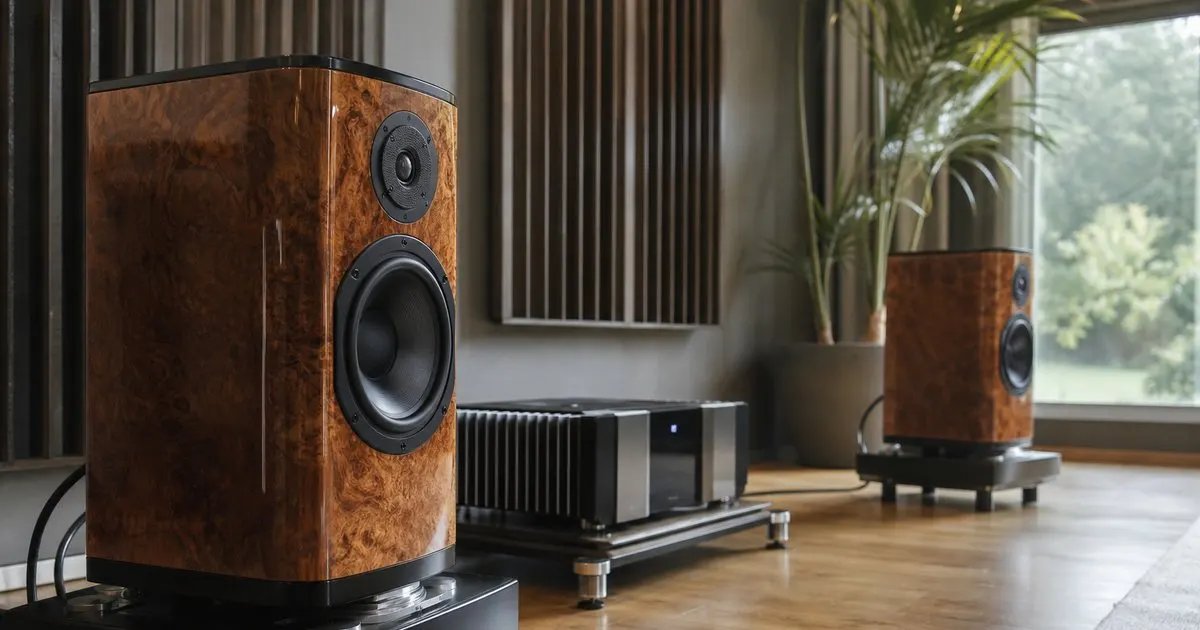
How Do You Build A Reference Hi-Fi System Without Wasting Money?
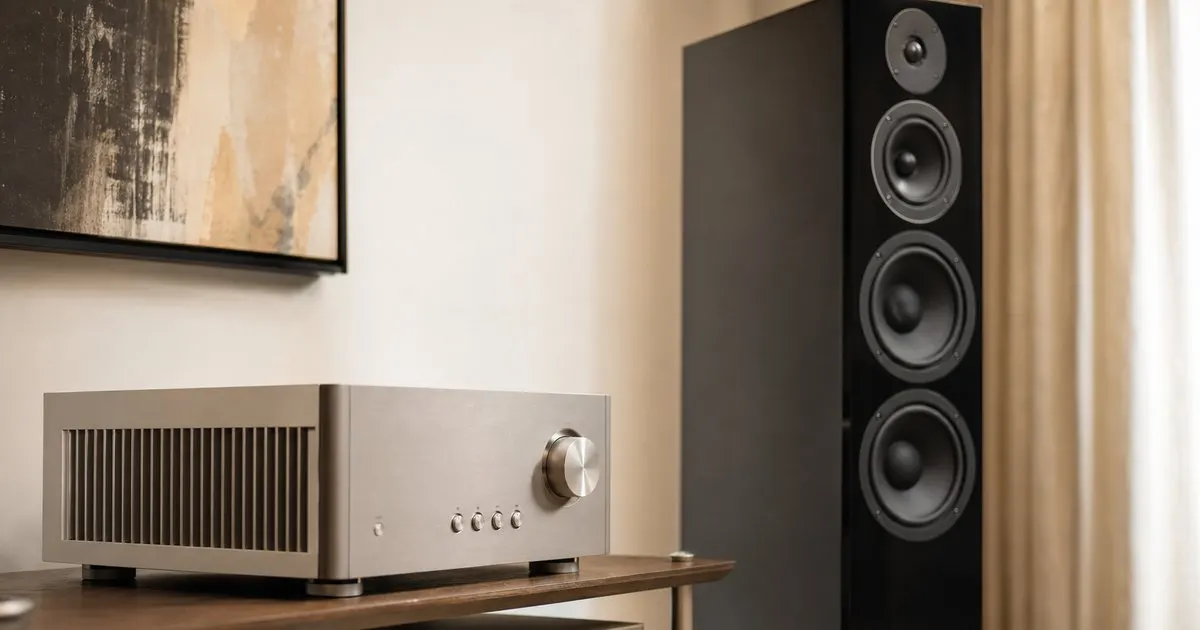
What Makes Loudspeakers And Amplifiers Truly Match In A Real Room?
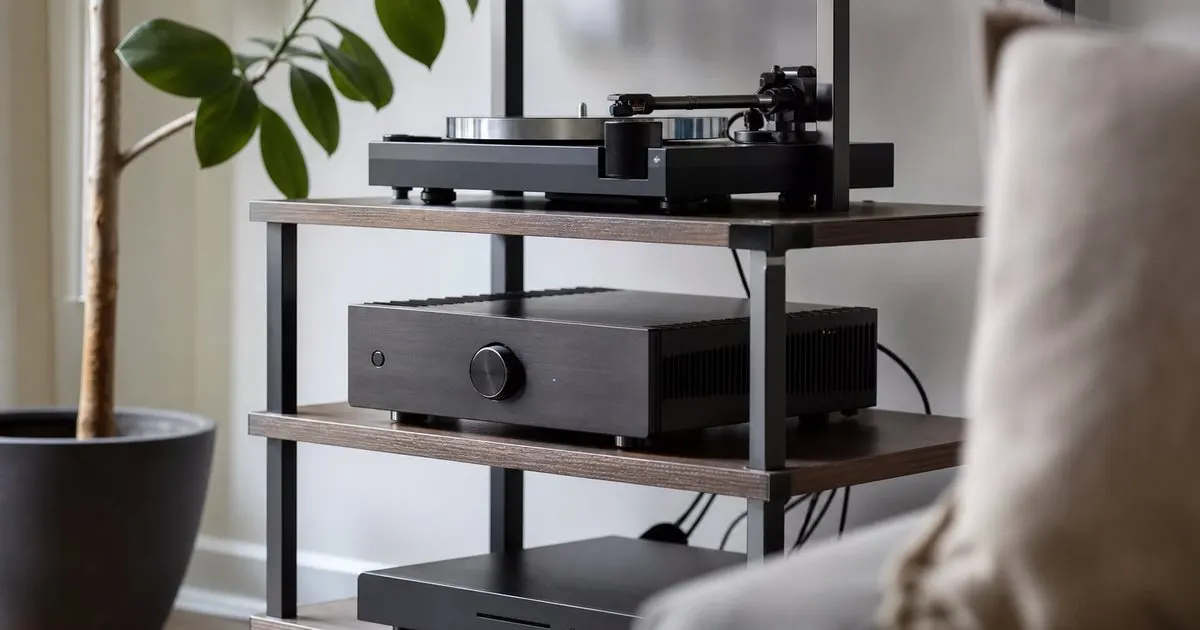
Which Component Deserves The Largest Share Of Your Hi-Fi Budget?
Get the complete reference hi-fi audio guide
Our full buying guide, the price guide, and new research as we publish it. One email, no spam, unsubscribe any time.